Loss of control: Agents often got lost in dozens of active bookings and were afraid of missing ticket issuance deadlines.
Critical changes: Fear of missing schedule changes, baggage rules, or flight status changes, leading to penalties and customer dissatisfaction.
Cognitive overload: The need to keep hundreds of codes and statuses in mind instead of focusing on service.
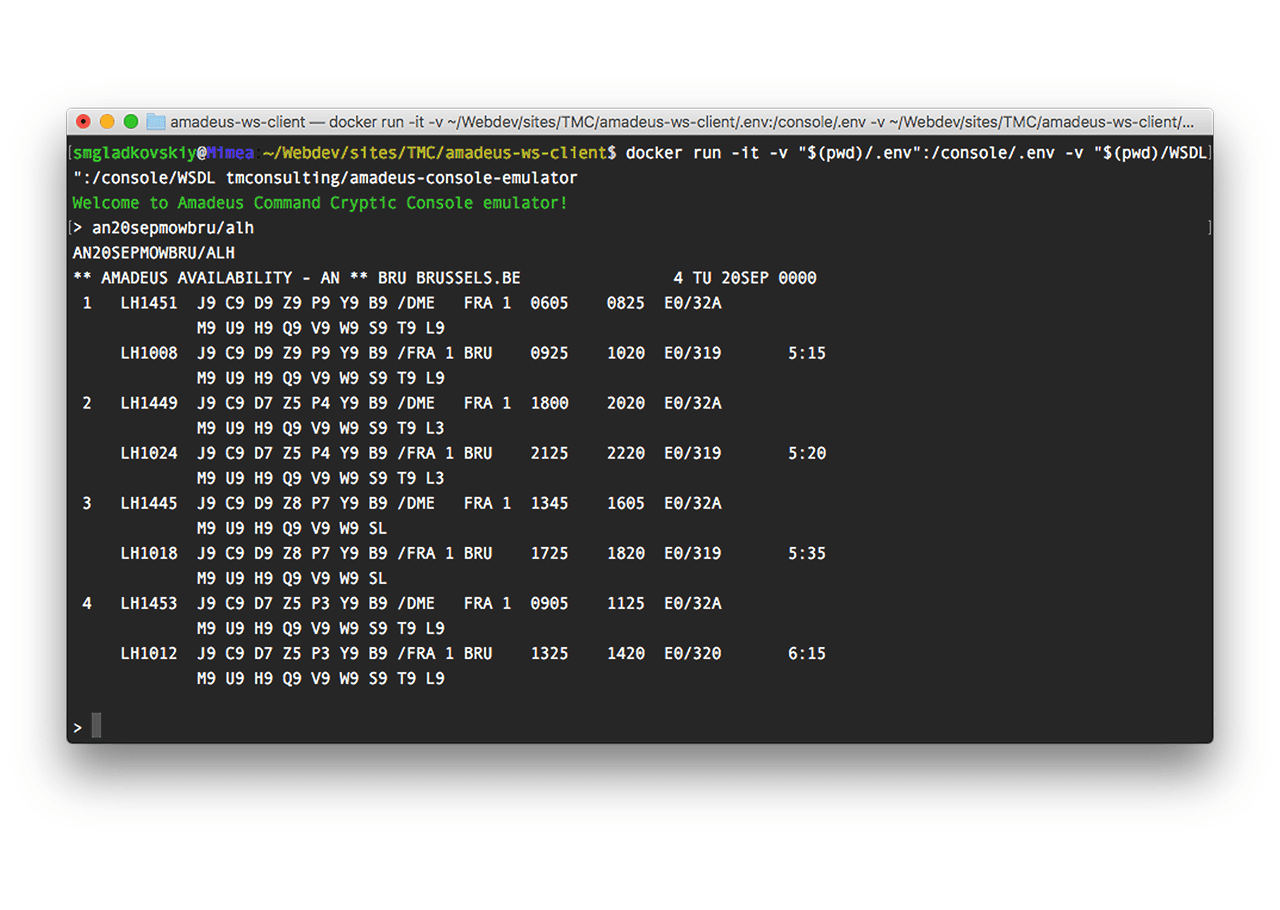
Shadowing: I created questions for the interview, and after the agents answered them and told me more about their standard workday and the pain points that can arise during it, it became clear what exactly was causing the delay in their work.
Feedback Loops: Through the product manager, we established a direct channel of communication with users. After each update, we received feedback on whether the new feature really made their routine easier.
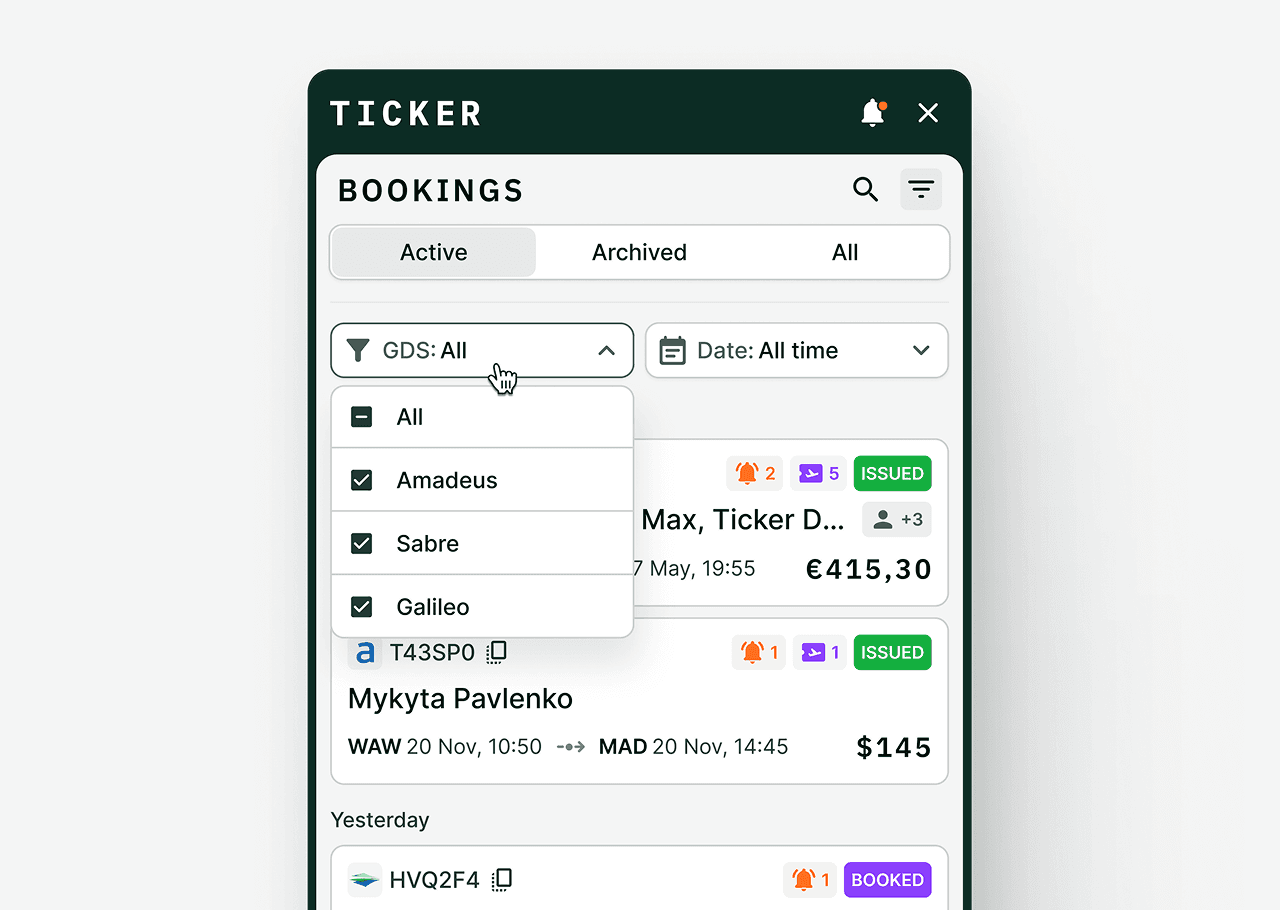
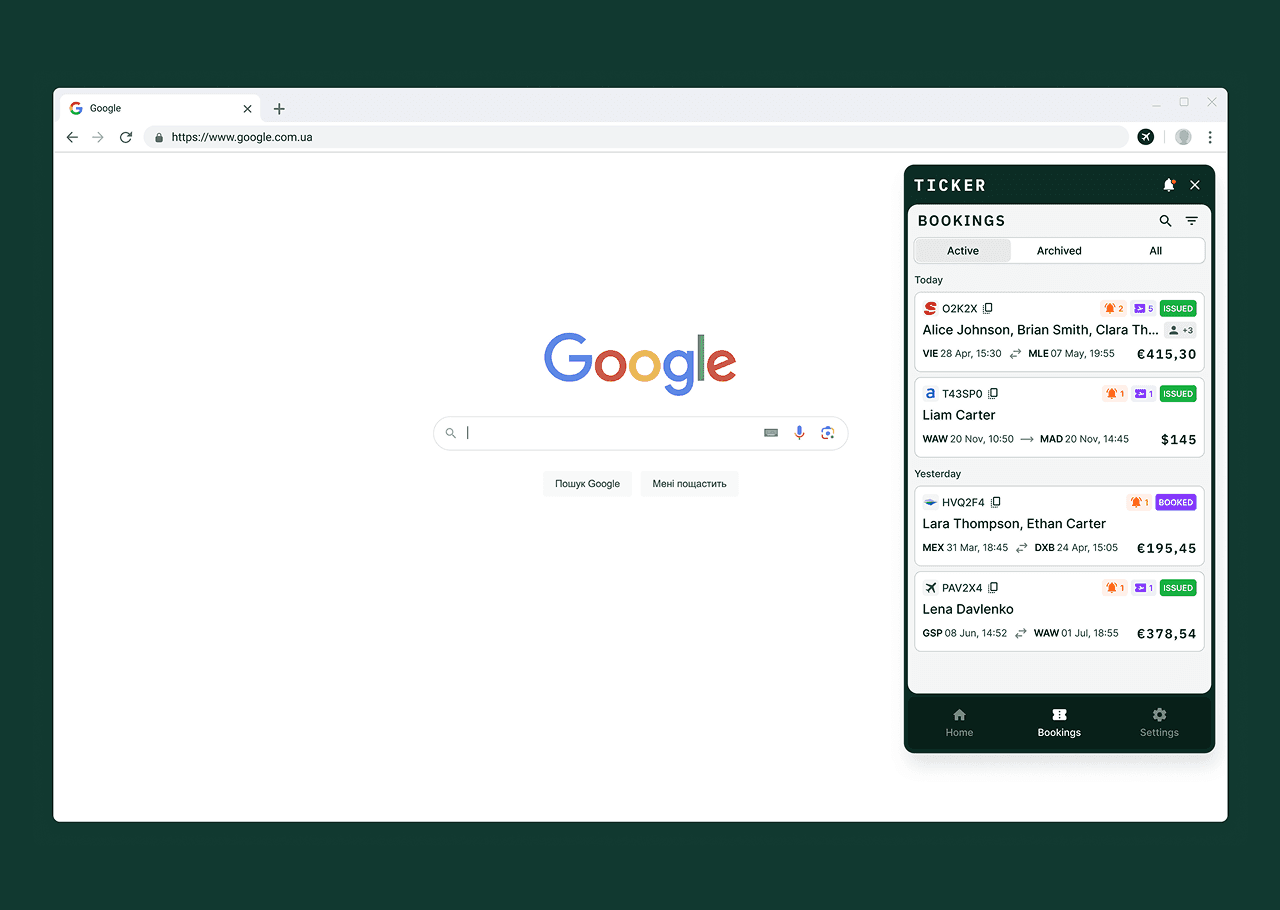
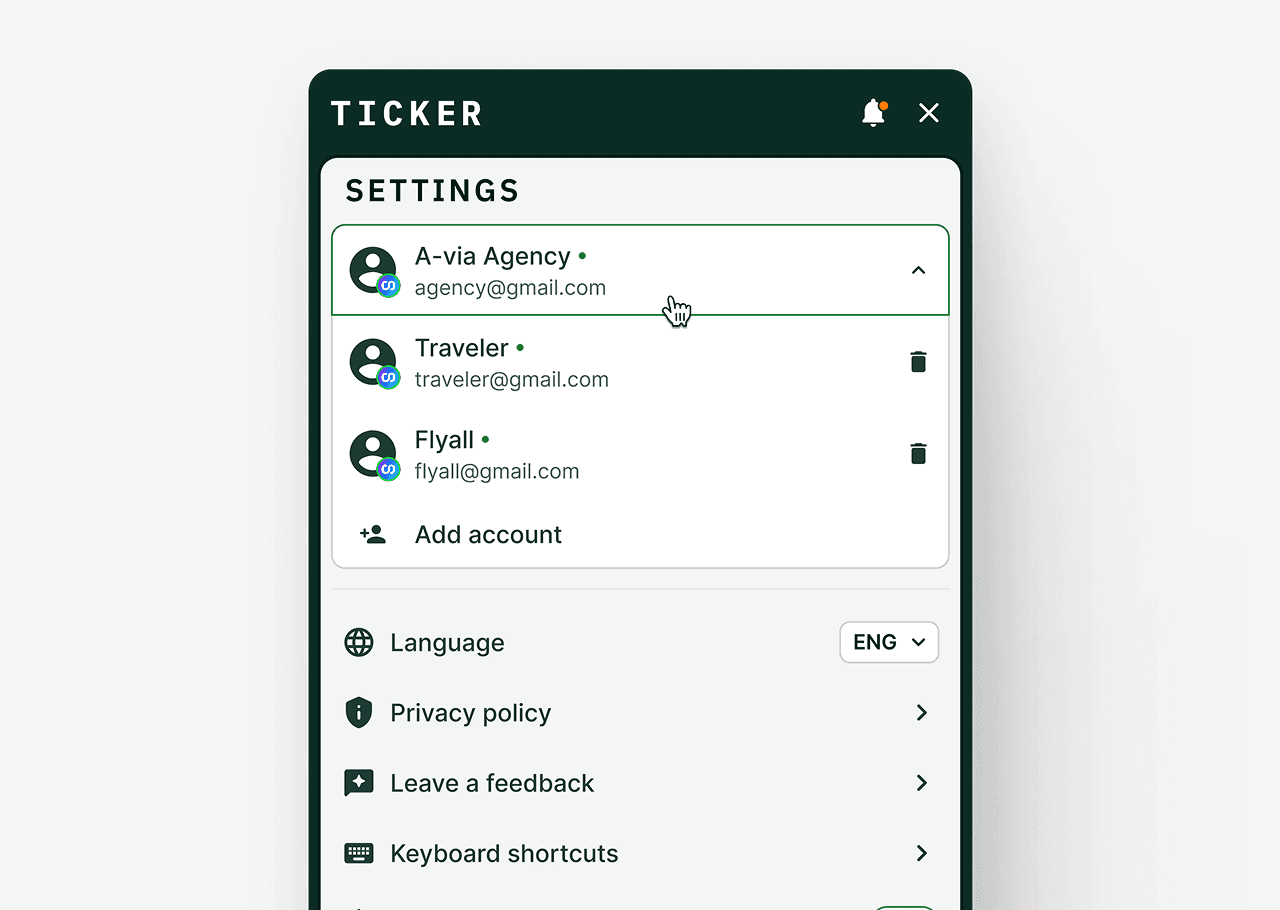
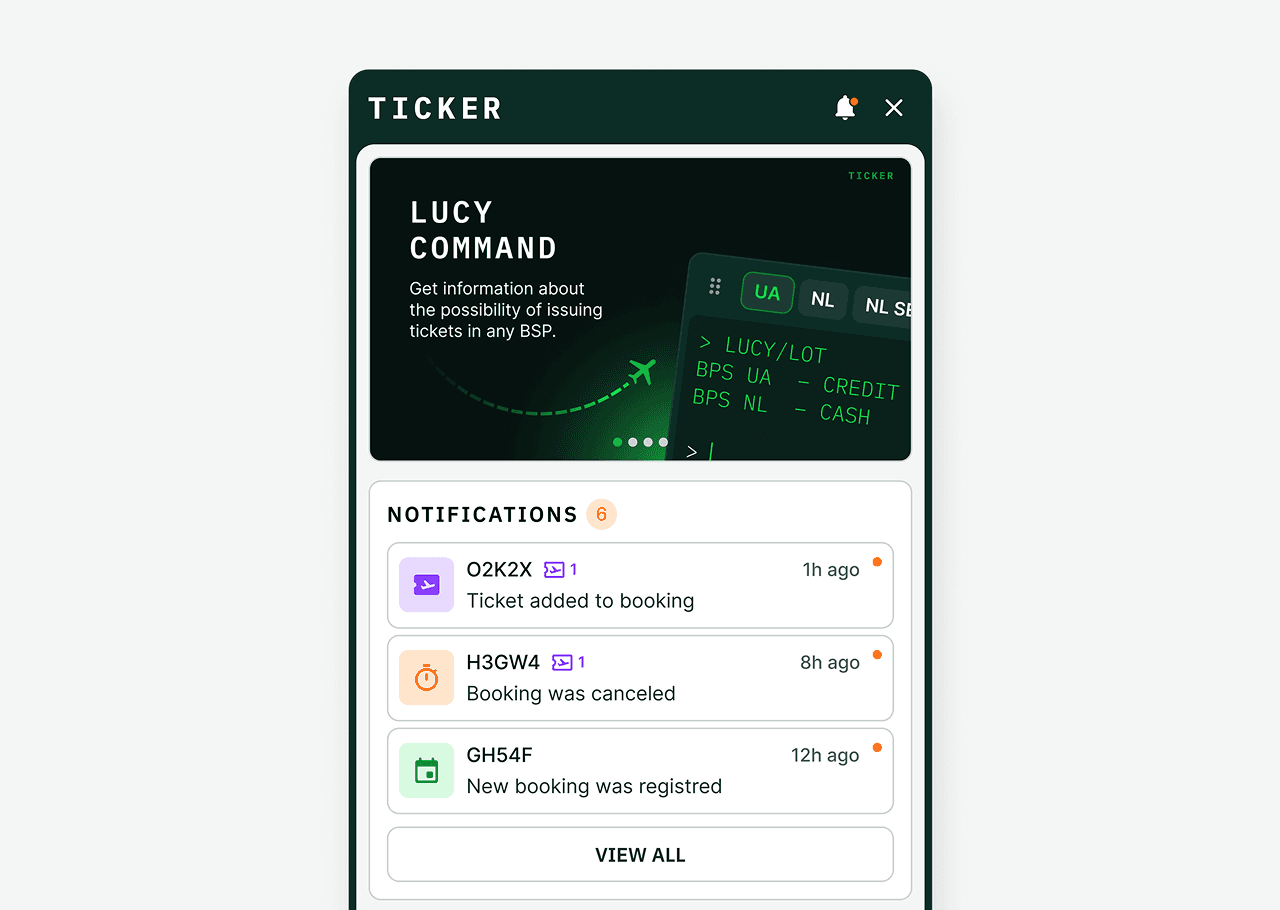
Smart sidebar: An interface that is always at hand but does not interfere with your main work.
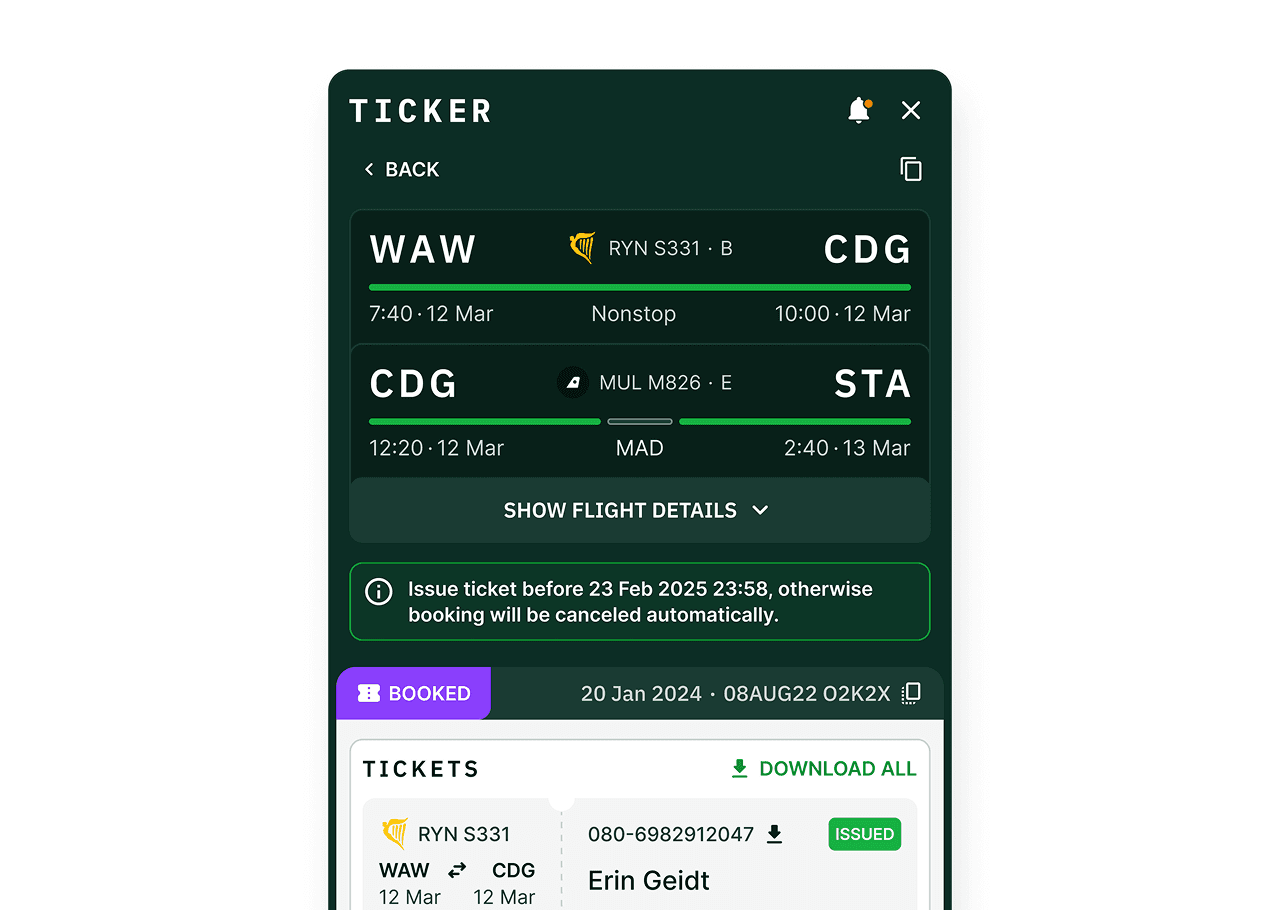
Status and notification system: Use of color coding (e.g., green for ISSUED, purple for BOOKED) for instant priority reading.
Centralized hub: All active, archived, and new bookings are collected in one place with clear details (PNR, route, passengers, price).
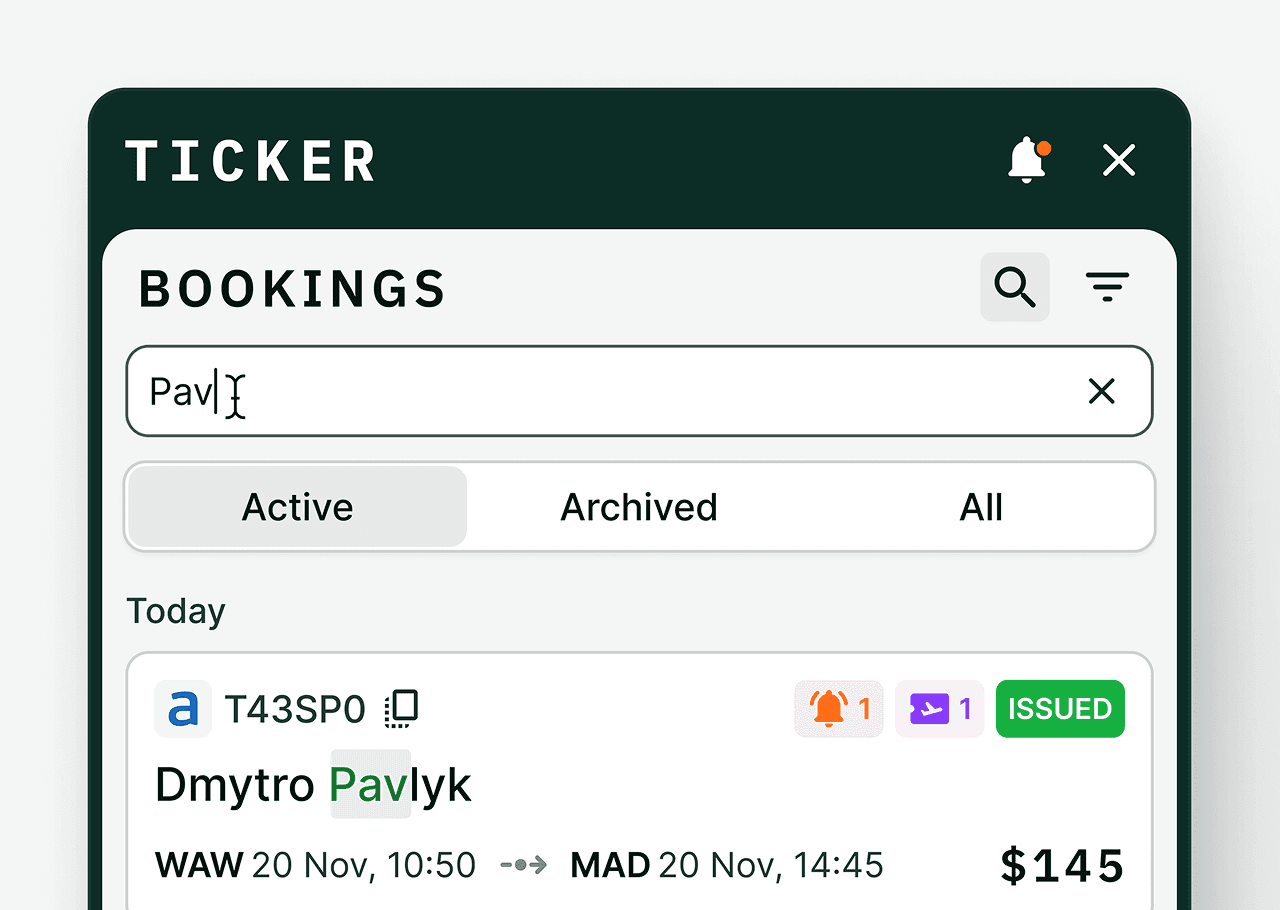
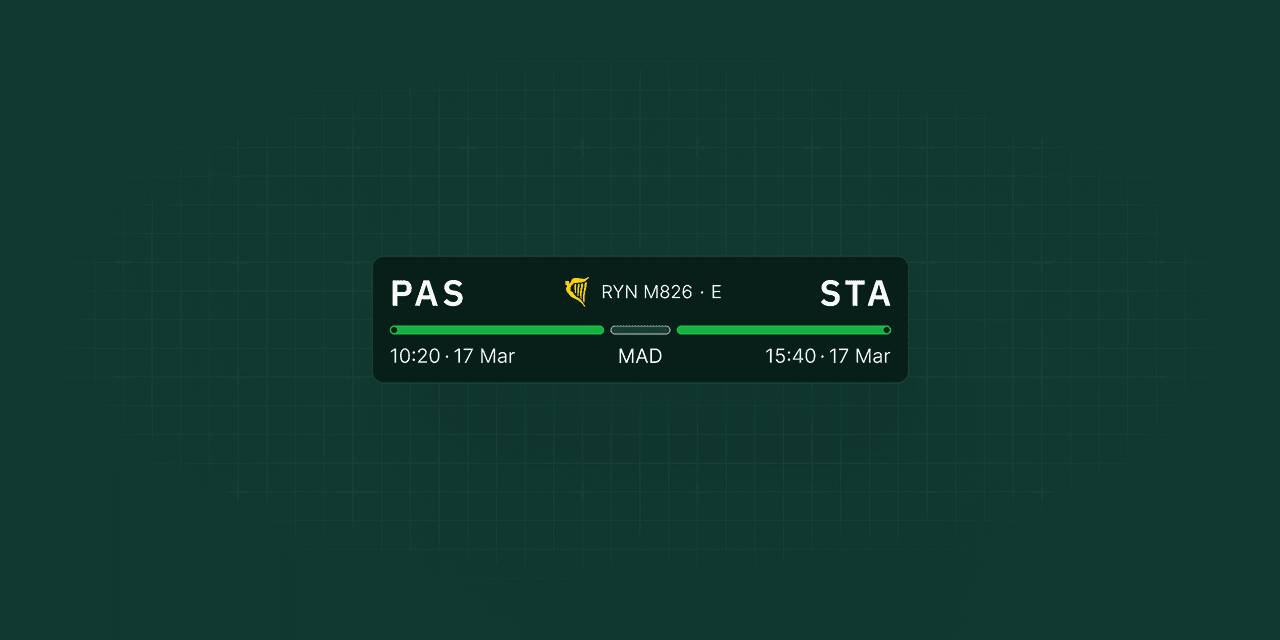
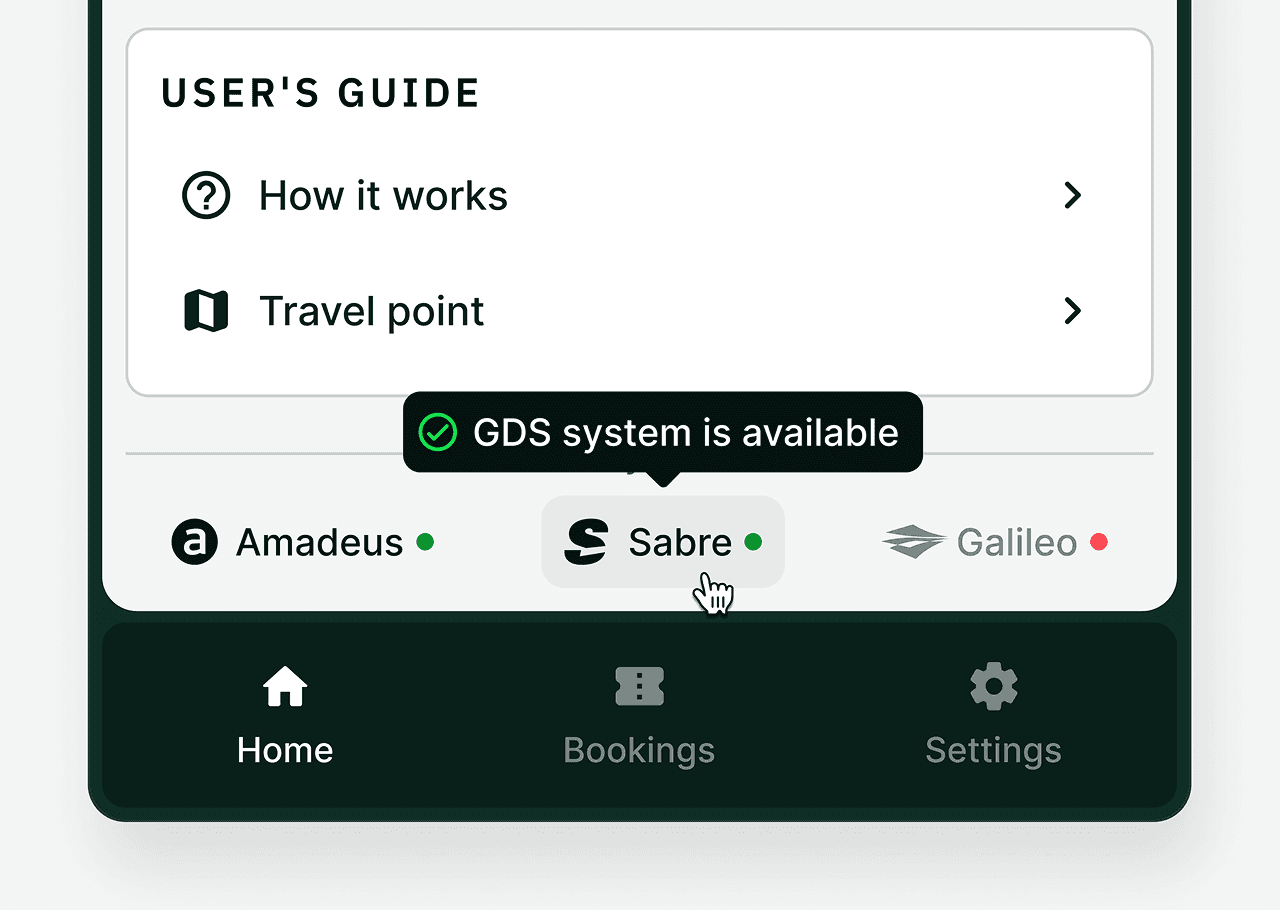
For users: We have created a sense of complete control over processes. Now agents can see the whole picture of their bookings in a single window, without fear of missing critical changes, and can inform their customers much faster.
For business: The main result was the optimization of staff performance and a significant reduction in the risks associated with errors in ticket issuance.